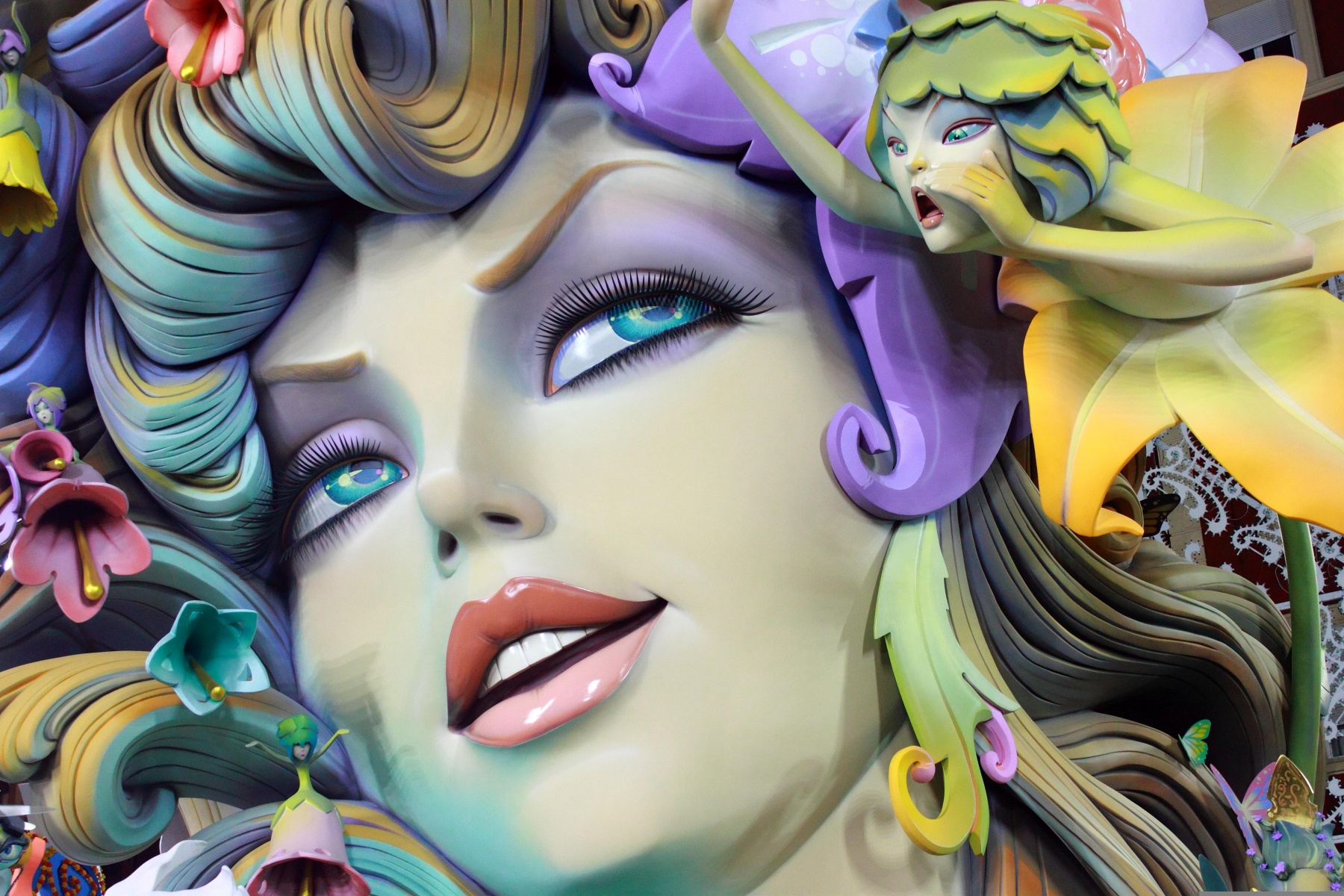
Every year, as spring arrives in Spain, the streets of Valencia come alive with a colorful, fiery, and explosive celebration known as Las Fallas. This incredible festival, which takes place in mid-March, is a vivid display of Spanish culture, tradition, and artistic expression. With its enormous, intricate sculptures, breathtaking fireworks displays, and lively street parties, Fallas is a sensory overload like no other — a celebration of fire, creativity, and community spirit.
But what exactly is Fallas, and why has it become such an iconic event not only for Valencians but for people from all over the world? In this blog, we’ll dive deep into the history, traditions, and key elements of this spectacular festival.
The origins of Las Fallas are deeply rooted in the local traditions of Valencia, and its history stretches back centuries. The festival was initially linked to the feast of St. Joseph (San José), the patron saint of carpenters, as a way for workers to honor their craft. The name "Fallas" comes from the Latin word "facula," meaning torch or light, referring to the bonfires once used by carpenters to burn old wood, discarded furniture, and other materials in celebration.
However, the festival evolved over time, incorporating elements of satire, political commentary, and art. The ninots, or figures displayed during the festival, became increasingly elaborate, often depicting figures from popular culture, politics, and even current events. The Fallas festival was officially recognized as an official celebration by the City of Valencia in the 19th century, and by the 20th century, it had transformed into the grand celebration that we know today.
At the heart of Las Fallas are the ninots — enormous, often towering sculptures that are built from a mix of materials like wood, paper mache, and foam. These figures are created by fallas commissions, which are neighborhood groups or associations that come together to build and display their ninots. Each commission spends months designing and crafting their piece, often involving a team of talented artists, carpenters, sculptors, and painters.
The ninots can range from humorous, whimsical, and playful designs to poignant political or social commentary. Many of the figures are inspired by current events, and they are often exaggerated caricatures of politicians, celebrities, or other prominent figures. These larger-than-life creations are meant to capture the spirit of the times, and they can be quite shocking, funny, or satirical.
The Creation of the Ninots: The construction of these towering works of art begins months in advance, as artists begin to sketch, sculpt, and craft the intricate details. Many fallas commissions create multiple ninots, including one larger, main sculpture that is displayed in the center of the neighborhood and several smaller ones throughout the area.
Fallas Artists: The artisans behind these sculptures are known as artistas falleros, and their work is incredibly detailed. The sculptures are crafted with meticulous attention to detail, using techniques that combine traditional craftsmanship with modern design.
The most famous and dramatic part of Las Fallas is the La Cremà (the burning), which occurs on the night of March 19th, the last day of the festival. This is when the ninots are set on fire in a grand display of flames and fireworks. But not all ninots are burned — a select few, known as the Ninot Indultat (the "pardoned ninot"), are spared from the flames and are preserved in the Museo Fallero in Valencia for future generations to admire.
La Cremà: As night falls on March 19th, the streets of Valencia are filled with the sounds of fireworks, music, and crowds gathered to watch the spectacle. The moment when the first falla is set ablaze marks the beginning of the La Cremà. One by one, the massive sculptures go up in flames, illuminating the night sky with an explosion of color and fire. This tradition symbolizes the triumph of light over darkness and the renewal of life, as the old is burned away to make way for the new.
The Emotions of La Cremà: Watching the fallas burn is a deeply emotional experience for both locals and visitors. The fire represents the destruction of the old and the renewal of life, but it also holds sentimental value for the artisans and communities who have spent months creating these masterpieces. It’s a mix of joy, sadness, and catharsis as the flames engulf the sculptures, leaving only ashes behind.
Fallas wouldn’t be Fallas without the mascletà — the heart-pounding, ear-splitting fireworks displays that take place every day at 2 p.m. during the festival. These firecracker-filled spectacles are a must-see, with the sounds of exploding fireworks filling the air and reverberating through the streets of Valencia. The mascletà is not just about noise — it’s about rhythm, timing, and creating a feeling of intensity that builds to a deafening crescendo.
The Mascletà: The mascletà takes place in the Plaza del Ayuntamiento (the City Hall Square) and involves the detonation of thousands of fireworks and firecrackers in a synchronized pattern. The main goal is to create a sound that is so powerful it can be felt in your chest, a celebration of fire in its purest form. This daily ritual has become an iconic part of the festival, attracting thousands of spectators each year.
The Nighttime Fireworks Show: In addition to the mascletà, there are nightly fireworks shows, which culminate in the grand finale on March 19th. These displays light up the sky with breathtaking color and are accompanied by music, creating a mesmerizing atmosphere that perfectly complements the festival’s celebratory spirit.
While fire, art, and explosions are at the heart of Las Fallas, the festival is also a time for family, community, and tradition. In addition to the ninots and the burning, you’ll find vibrant parades, music, and street parties throughout the festival.
La Ofrenda: One of the most emotional and beautiful traditions of Las Fallas is the Ofrenda de Flores (Flower Offering). During the festival, the people of Valencia — dressed in traditional clothing — make their way through the streets to offer flowers to the Virgin of the Forsaken (La Virgen de los Desamparados). These flowers are used to create a massive floral tapestry that forms a beautiful image of the Virgin Mary in front of the Basilica de la Virgen de los Desamparados.
The Fallas Queens: At the heart of the festivities are the Fallas Queens (Fallera Mayores), who are chosen to represent the community. These women, dressed in elaborate traditional dresses adorned with gold, lace, and flowers, play a central role in the parades and events. Their participation is a key part of preserving the cultural traditions of the festival.
Traditional Food and Drink: No celebration would be complete without delicious food, and Fallas is no exception. Throughout the festival, you can indulge in traditional Spanish dishes like paella, tapas, and buñuelos (fried dough balls). You’ll also find horchata (a refreshing drink made from tiger nuts) and agua de Valencia (a cocktail made with cava, orange juice, and vodka) to enjoy during the lively street parties.
Las Fallas is more than just a festival — it’s an experience. It’s a celebration of art, fire, history, and culture that brings people together from all walks of life. Whether you’re a lover of art, a fan of fireworks, or just looking to immerse yourself in an authentic Spanish tradition, Fallas is an event you’ll never forget. The sense of community, the explosive displays of fire, and the beauty of the intricate ninots make this celebration a truly unique experience that captures the spirit of Valencia and its people.
If you ever find yourself in Spain in mid-March, be sure to mark your calendar for Las Fallas — it's an unforgettable experience you won’t want to miss!
BIO. Alba Lopez is a world traveler with roots in Spain and Germany. Born in Valencia and raised in Spain, she inherited a love for different cultures from her German mother. At an early age, she left her home country to explore life abroad, living in Ireland and Germany for several years. These experiences shaped her perspective and deepened her appreciation for diverse ways of life. Now back on the sunny Costa Blanca, Alba enjoys sharing stories about travel, culture, and the beauty of returning home.
Find your perfect Property


